


Long-term health support is more than choosing a remedy: it involves a confirmed diagnosis, measurable goals, regular reviews, safe use of medicines and timely referral. By the end, you will know what to expect from an initial consultation, how to judge progress and which safeguards matter when homeopathy is used alongside conventional care.
Key takeaways
- Ask for symptom, medication, test-result, and daily-function records at every review.
- Choose a clinic that coordinates care instead of advising you to stop prescribed treatment.
- Set measurable goals such as fewer flare-ups, better sleep, or improved mobility.
- Check consultation methods, follow-up frequency, fees, records, and referral arrangements before committing.
What long-term health support should include
Long-term support is continuing care, not a promise of permanent cure. It combines symptom management, relapse prevention, objective monitoring, daily-function goals, and coordination with evidence-based treatment. A plan should state:
1. The established diagnosis and treatment responsibilities. Chronic symptoms need medical assessment before symptom-based care; seek prompt assessment for unexplained weight loss, persistent fever, bleeding, chest pain, breathlessness, neurological changes, or a new lump.
2. The measures reviewed and review date: blood pressure, HbA1c, peak-flow readings, sleep quality, symptom scores, flare frequency, work attendance, and ability to exercise. These show whether function and disease control change over time.
3. The safety boundary. Feeling better does not prove that diabetes, hypertension, autoimmune disease, kidney disease, or another condition has biologically improved. Homeopathic treatment for chronic diseases can only be considered complementary, never a substitute for diagnosis, surgery, antibiotics, insulin, blood-pressure treatment, cancer care, or other evidence-based management.
4. The escalation plan. If symptoms persist, worsen, or measurements deteriorate, reassess the diagnosis and involve the appropriate clinician rather than continuing an unmeasured remedy indefinitely.
“Incurable disease homeopathy” is misleading: temporary relief does not demonstrate reversal of cancer, progressive neurological disease, or advanced organ failure. Delaying effective treatment can cause serious harm.
What happens during the first consultation
Before suggesting ongoing care, the practitioner needs a verified picture of your health, not only a description of symptoms. Bring recent records to a homeopathic clinic in Thane, especially if you are considering homeopathic treatment for chronic diseases.
1. Describe the main complaint, when it began, triggers, severity, daily pattern, previous diagnoses, allergies, hospital visits, operations, family history and relevant examination findings.
2. Bring every medicine name and dose, including insulin, thyroid replacement, inhalers, antidepressants, antipsychotics, steroids, anticoagulants and supplements. Add recent prescriptions and product packaging so ingredients, batch information and instructions can be checked.
3. Bring test reports. Diabetes assessment may involve fasting or random glucose and HbA1c; suspected thyroid disease requires TSH and free T4; asthma assessment may include spirometry. A suspected ringworm infection needs a skin examination and testing when required.
4. Expect questions about sleep, diet, alcohol or tobacco use, stress, work conditions, physical activity, pregnancy, caring responsibilities and the effect of symptoms on work, school, exercise and household tasks.
5. End the consultation with specific goals, measurable monitoring, a review date, advice about continuing conventional treatment and clear referral triggers. Unexplained weight loss, persistent fever, bleeding, chest pain, breathlessness, neurological changes or a new lump require medical assessment.
A detailed, personalised history improves coordination but does not prove that a homeopathic product works. Do not stop prescribed treatment while seeking complementary care.
How follow-up visits show whether care is helping
A useful follow-up tests change against a baseline rather than relying on “I feel better.” At each review, compare the original symptoms with current frequency, severity, duration, sleep, energy, work or school function, activity tolerance and recovery after flares.
- Set the review interval, repeat-measurement dates and thresholds for improvement, no change and deterioration.
- For diabetes, review glucose and HbA1c; for thyroid replacement, TSH and free T4; for asthma, spirometry or an agreed peak-flow plan; for hypertension, blood-pressure readings; and for rashes, dated skin findings.
- If progress is absent, reassess the diagnosis, medicine interactions, adherence and environmental triggers. Arrange review by a physician, dermatologist, endocrinologist, pulmonologist or mental-health professional when indicated.
| Status | Evidence | Action |
|---|---|---|
| Improvement | Symptoms and agreed measurements move toward the stated goal without loss of daily function | Continue only with a documented review date |
| No change | Symptoms or measurements remain outside the goal range | Reassess the diagnosis, treatment and referral need |
| Deterioration | More severe or frequent symptoms, abnormal readings or reduced function | Seek prompt clinical assessment; use emergency care for urgent warning signs |
Do not continue an unmeasured remedy indefinitely. Never reduce or stop insulin, thyroid replacement, inhalers, antidepressants, antipsychotics, steroids, anti-seizure medicines, anticoagulants or blood-pressure medicines without the prescribing clinician’s advice. Keep each product container, ingredients, batch information, dose instructions and purchase details for every treating professional.
A homeopathic clinic for chronic diseases in Thane, or any chronic disease clinic in Thane, should document these safeguards.
Where homeopathy fits alongside conventional disease management
Homeopathic treatment for chronic diseases belongs alongside conventional care, not instead of it. For diabetes, it cannot replace glucose testing, HbA1c monitoring, nutrition advice, prescribed medicines or insulin.
Very high or very low blood sugar, vomiting, abdominal pain, deep or rapid breathing, fruity-smelling breath, severe weakness or confusion need urgent medical care because they can signal diabetic ketoacidosis or another emergency.
Use this safety checklist before adding any homeopathic product:
- Asthma requires an agreed inhaler plan. Seek urgent assessment for severe breathlessness, inability to speak normally, blue or grey lips, exhaustion, or poor response to a reliever inhaler.
- Hypothyroidism requires clinician-led testing and thyroid replacement when indicated. Do not stop or reduce it without the prescribing clinician’s advice.
- Severe depression or schizophrenia requires psychiatric or psychological care. Suicidal thoughts, self-harm risk, psychosis, mania, severe confusion, or inability to care for yourself are urgent.
- Seek emergency help for chest pain, a rapidly worsening infection, facial swelling, or any sudden neurological change.
Products labelled homeopathic are not automatically risk-free: some contain measurable ingredients, alcohol, or toxic substances. Check the ingredient list and disclose every product during pregnancy, childhood care, and treatment with multiple medicines. Do not delay antibiotics, surgery, cancer treatment, or specialist assessment.
The phrase incurable disease homeopathy is misleading: temporary symptom relief does not prove that cancer, progressive neurological disease, or organ failure has reversed. A clinic should confirm the diagnosis and coordinate care rather than claim that homeopathy cures an incurable disease.
How to assess a clinic in Thane before committing to long-term care
Before committing, verify that the clinic offers continuity and safe coordination, not merely a chronic-disease label. A practitioner describing symptoms as “chronic” does not establish a diagnosis or show that homeopathy is appropriate.
Use this checklist when comparing a homeopathic clinic in thane, a homeopathic clinic for chronic diseases in thane, or a chronic disease clinic in thane:
- Confirm the practitioner’s displayed qualification, registration details and scope of practice.
- Ask whether records include your diagnosis, test results, allergies, current medicines, product ingredients, batch information and follow-up findings.
- Ask what will be monitored, how often reviews occur, what happens if symptoms do not improve and which signs trigger referral.
- Ask how the clinic communicates with physicians, hospitals, dermatologists, endocrinologists, pulmonologists and mental-health professionals in Thane and nearby areas.
- Check that medicine instructions state the product, dose, timing, duration, storage and what to do after a missed dose.
- Confirm that you can reach the clinic with follow-up questions.
Compare what the clinic says with what it does:
| Clinic practice | What it means | Your decision |
|---|---|---|
| Clear diagnosis and records | Care can be reviewed against objective findings | Continue assessing |
| Defined monitoring and referral plan | Deterioration has an agreed response | Safer for discussion |
| Permanent-cure promises, testimonials alone or advice to stop prescribed treatment | Evidence-based care may be displaced | Do not commit |
A suitable clinic will not call a condition incurable and then claim to reverse it. Dr. Waphekar's Homeopathic Clinic deserves the same assessment: judge consultation quality, documentation, disclosure, monitoring and referral arrangements, not the label alone.
Related products
 | Homeopathy clinic in Thane Psychological Problems and Disorders Stress. Neurosis. Hypochondriasis. Somatization Disorder. Factitious Disorder. Schizophrenia. Paranoia. View product → |
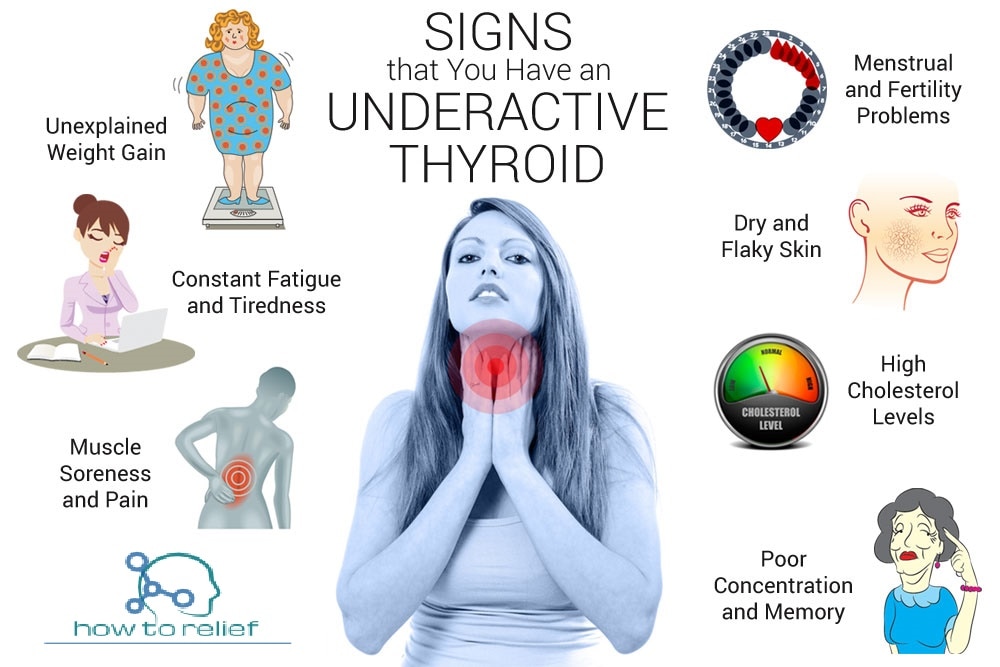 | Best Homeopathy Clinic in Bhiwandi Thyroidism ₹1000 Hypothyroidism signs and symptoms may include: Fatigue. Increased sensitivity to cold. Constipation. Dry skin. Weight gain. Puffy face. Hoarseness. |
Frequently asked questions
What should long-term health support include?
It should include symptom management, relapse prevention, objective monitoring, daily-function goals, medication review, and coordination with evidence-based treatment.
What happens during a first homeopathic consultation?
The clinician should take a detailed history, review diagnoses and medicines, discuss your goals, identify warning signs, and explain the proposed follow-up plan.
How do follow-up visits show whether care is helping?
Compare agreed measures over time, including symptom frequency, severity, sleep, activity, work or school function, flare-ups, and relevant test results.
Where does homeopathy fit alongside conventional disease management?
Use it only as complementary support unless a qualified medical professional advises otherwise. Do not stop prescribed medicines or delay urgent care.
How can you assess a homeopathic clinic in Thane before committing?
Ask about practitioner credentials, records, fees, follow-up timing, referral protocols, medicine safety, communication with other clinicians, and how progress is measured.
Related products
 | Homeopathic Treatment in Thane Asthma signs and symptoms include: Shortness of breath. Chest tightness or pain. Trouble sleeping caused by shortness of breath, coughing or wheezing. |
 | obesity Obesity symptoms breathlessness. increased sweating. snoring. inability to cope with sudden physical activity. feeling very tired every day. |
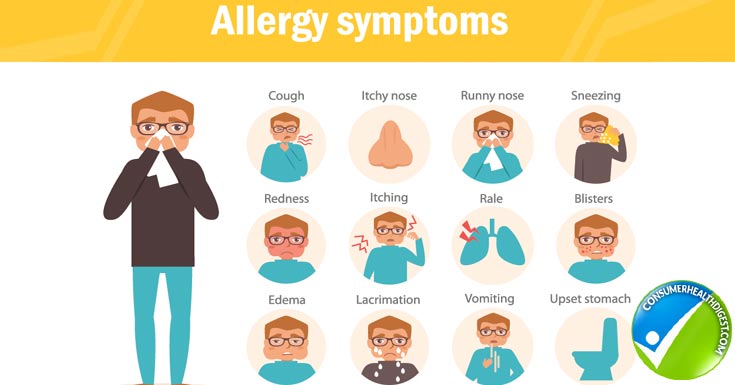 | Best Homeopathy Treatment in Thane Allergy Common symptoms of an allergic reaction include: sneezing and an itchy, runny or blocked nose (allergic rhinitis) itchy, red, watering eyes... |
 | Best Homeopathy clinic in Thane Ringworm Symptoms and Stages of a Ringworm Infection Itchy skin. Red, scaly, or cracked skin. |