


Choosing care for depression requires more than matching symptoms to a remedy. You need to know what a safe consultation includes, when urgent psychiatric help is necessary, how homeopathy compares with established treatments, and whether a clinic can provide measurable follow-up and appropriate referrals.
Key takeaways
- Describe symptom duration, previous episodes, sleep, work, and daily-life effects.
- Treat suicidal thoughts, plans, or immediate danger as an emergency.
- Do not replace proven depression care with homeopathy without medical advice.
- Choose ongoing care with reviews, safety planning, and referral pathways.
What happens during a depression consultation in Thane?
An initial depression consultation in Thane is a detailed conversation, not simply a request for a homeopathic product. The clinician reviews your main concerns, symptom duration, previous episodes and how symptoms affect daily life.
Ask whether the assessment will cover:
- Sleep, appetite, energy, concentration, and work or study performance
- Relationships, substance use, medical history, current medicines, supplements, and homeopathic products
- Suicidal thoughts, self-harm, and whether you feel personally safe
The clinician should ask about safety directly and give you time to answer. Tell them if you have a plan, recently harmed yourself, or cannot stay safe; routine follow-up is not the right level of care in that situation.
Appointment length varies by provider and by the complexity of your history. When booking a homeopathic clinic in Thane for depression, ask how much time is reserved for the initial assessment rather than assuming a short consultation will cover everything.
Follow-up visits are not simply a repeat of the first conversation. They should review changes in symptoms, daily functioning, sleep, safety, treatment response, side effects or new concerns, and the next step in care.
A homeopathic consultation alone is not a complete psychiatric diagnosis or a substitute for medical assessment. Depression symptoms can have medical, medication-related, substance-related, or bipolar causes, so ask whether the clinician can arrange referral to a qualified mental-health or medical professional when needed.
How do depressive symptoms differ from a depressive disorder?
A depression consultation in Thane should not turn a symptom checklist into a diagnosis. Low mood, loss of interest, sleep or appetite changes, fatigue and poor concentration become more concerning when they persist, recur, worsen, cause significant distress or disrupt work, study, self-care or relationships.
| Pattern | What it suggests | What to establish |
|---|---|---|
| Occasional symptoms | A difficult period or another cause may be involved | Triggers, duration and recovery |
| Persistent or recurring symptoms | A depressive disorder needs assessment | Severity, impairment and previous episodes |
| Symptoms with suicidal thoughts | Immediate safety concern | Suicide risk, intent, plan and access to means |
A qualified mental-health or medical professional should interpret these findings. The assessment should also check for unusually elevated or irritable mood, reduced need for sleep, impulsive behaviour, grandiosity or unusually high activity before anyone considers an antidepressant, because these features can indicate bipolar disorder.
It should screen for psychosis, substance-related causes and physical contributors such as thyroid disease, anaemia, medication effects and other medical conditions. Depression can coexist with these problems, so worsening symptoms should not be dismissed as a “healing crisis.” A homeopathic consultation alone cannot establish a complete psychiatric diagnosis; seek a qualified professional’s assessment.
When should you seek emergency help instead of waiting for an appointment?
A suicide plan, recent self-harm, or inability to stay safe requires immediate medical help. The same applies to hearing commands, other psychotic symptoms, severe agitation, severe confusion, or dangerous self-neglect. Do not wait for a routine homeopathic appointment.
- Contact local emergency services now, or go to the nearest hospital emergency department.
- Ask a trusted person to stay with you while help is arranged. Do not remain alone if you might act on suicidal thoughts.
- Remove medicines, weapons, pesticides, blades, ropes and other immediate means of harm, or ask someone else to secure them.
- Tell emergency staff exactly what happened, including self-harm, suicidal thoughts, unusual beliefs, voices or inability to care for yourself.
For 24-hour mental-health support in India, call Tele-MANAS on 14416 or 1-800-891-4416. A support-line worker can help you decide what to do and connect you with services, but a support-line call does not replace emergency treatment when there is immediate danger.
Never stop antidepressants, mood stabilisers, antipsychotics or sleep medicines suddenly without advice from the prescribing clinician. Tell every doctor and pharmacist about all prescribed medicines, supplements and homeopathic products. A product labelled homeopathic can contain active ingredients or alcohol and can cause adverse effects or interactions.
How does homeopathy compare with established depression care?
A search for “depression homeopathy clinic in Thane” identifies a location, not an evidence-based depression specialty. The U.S. National Center for Complementary and Integrative Health reports little evidence that homeopathy effectively treats any specific health condition. That differs from care based on clinical assessment and treatments studied for depression.
| Option | What it involves | Treatment decision |
|---|---|---|
| Cognitive behavioural therapy, behavioural activation or interpersonal therapy | Structured sessions targeting thoughts, activities, relationships and coping | Selected with a qualified clinician according to symptoms and goals |
| Psychiatric assessment | Reviews diagnosis, severity, previous episodes, risks and physical or substance-related factors | Guides therapy, medication, referral and safety planning |
| Antidepressants | Prescription treatment monitored for benefit, adverse effects and withdrawal concerns | Considered according to severity, previous treatment, preference, risks and clinical review |
| Homeopathy | Complementary support with limited evidence for treating depression | Must not replace prescribed treatment or delay effective care |
Do not use homeopathy instead of established care for moderate, severe or recurrent depression, or depression with suicidal thoughts. If you choose complementary support, discuss it first with the clinician managing your depression and disclose every product, including ingredients and alcohol content.
Worsening sleep, fatigue, agitation, mood or suicidal thinking needs reassessment, not a label such as “healing crisis.” The clinician should check treatment response, medication effects, bipolar symptoms, substance use, physical illness and suicide risk.
How can you judge a clinic’s ongoing-care plan?
A safe plan is specific enough to test. Compare a homeopathic depression treatment near me by asking:
- What is the practitioner’s current registration and mental-health training? What is the consultation fee, and how are records kept confidential?
- Will you receive a written care plan stating who reviews progress, the planned follow-up frequency, when treatment is reassessed, and what happens if symptoms do not improve?
- Which outcomes will be recorded? Tracking should cover mood, sleep, energy, concentration, daily functioning, suicidal thoughts, side effects and symptom changes. Use consistent questions or a validated questionnaire when a qualified clinician selects one.
- What is the referral arrangement? Ask whether the practitioner will coordinate with a psychiatrist, psychologist, doctor or pharmacist, and how you will obtain urgent care if safety worsens.
- How will relapse signs be identified, recorded and acted on? The plan should state who contacts you and what changes trigger reassessment.
Open-ended visits based only on a general feeling of improvement do not provide safe monitoring. Testimonials also cannot replace outcome records, clinical assessment or a referral pathway.
You can evaluate Dr. Waphekar's Homeopathic Clinic by asking how it assesses depression, records these outcomes, explains its proposed care and arranges referral or coordination when psychiatric or psychological treatment is needed.
For anyone searching “homeopathic clinic in thane for depression,” refusal to coordinate, advice to stop prescribed medicine or claims of curing depression without standard care are clear reasons to choose another plan.
Related products
 | Homeopathy clinic in Thane Psychological Problems and Disorders Stress. Neurosis. Hypochondriasis. Somatization Disorder. Factitious Disorder. Schizophrenia. Paranoia. View product → |
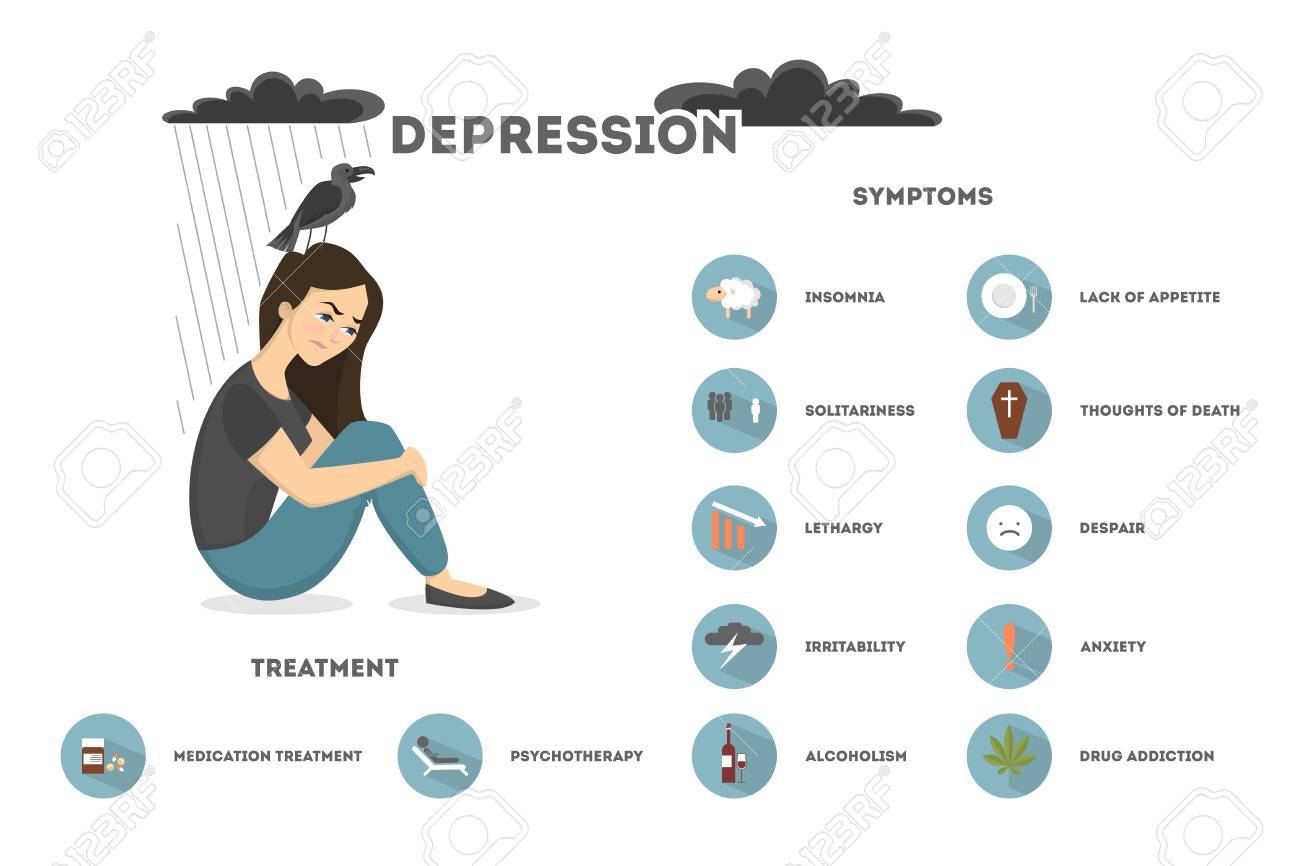 | Homeopathy Depression Mood: anxiety, apathy, general discontent, guilt, hopelessness, loss of interest, loss of interest or pleasure in activities, mood swings, or sadness... |
Frequently asked questions
What happens during a depression consultation in Thane?
The clinician discusses your symptoms, duration, previous episodes, sleep, functioning, medical history, medicines, substance use, and safety concerns. You can also ask how progress will be reviewed.
How do depressive symptoms differ from a depressive disorder?
Low mood, loss of interest, sleep changes, fatigue, guilt, poor concentration, and appetite changes can occur as symptoms. A clinician assesses their duration, severity, number, functional impact, medical causes, and safety risk before diagnosing a depressive disorder.
When should you seek emergency help instead of waiting for an appointment?
Seek immediate emergency help if you have suicidal thoughts with a plan, cannot stay safe, have seriously harmed yourself, experience psychosis, or face immediate danger. Contact local emergency services or go to the nearest emergency department.
How does homeopathy compare with established depression care?
Established care can include psychological therapy, prescribed antidepressants, lifestyle support, and urgent psychiatric treatment when needed. Homeopathy should not replace assessment or delay evidence-based care, particularly when symptoms are severe or safety is at risk.
How can you judge a clinic’s ongoing-care plan?
Look for scheduled reviews, documented symptom and safety checks, clear treatment goals, side-effect monitoring, coordination with other clinicians, and prompt referral to a psychiatrist or emergency service when needed.