


Low mood that lasts, disrupts daily life, or raises safety concerns needs more than a short symptom checklist. You will learn how to assess urgency, prepare for a first consultation, judge homeopathy’s limited evidence, and build a care plan that includes psychiatric, psychological, and medical support when required.
Key takeaways
- Ask directly about suicidal thoughts, self-harm, plans, and intent.
- Use homeopathy only alongside evidence-based depression treatment, not instead of it.
- Bring medication and symptom records to the consultation.
- Seek coordinated specialist care when safety or symptoms do not improve.
Start with safety: when depression needs urgent help
Safety comes before complementary care. Any mental health homeopathy support in thane should include a private, direct safety check before discussing remedies or routines. Ask whether the person has suicidal thoughts, urges to self-harm, a suicide plan or intent, or recent self-harm.
A responsible clinic should also check for:
- Psychosis, such as hearing voices or losing contact with reality.
- Mania, including unusually high energy, very little sleep, racing thoughts, or reckless behaviour.
- Severe agitation, rapidly worsening symptoms, or inability to stay safe.
- Inability to eat or sleep, marked self-neglect, or inability to perform basic daily activities.
- Immediate access to lethal means or no trusted person available to provide safety.
Call 112 in India or go to the nearest emergency department if someone is in immediate danger or cannot stay safe. Do not leave the person alone while arranging urgent help. For 24-hour tele-mental-health support, call Tele-MANAS at 14416 or 1-800-891-4416.
Urgent psychiatric or emergency care cannot be managed only through homeopathic consultations. Psychosis, mania, severe agitation, serious self-neglect, rapidly worsening depression, or significant suicide risk requires prompt referral to a psychiatrist or emergency service. A clinic can support follow-up and referral coordination, but complementary care must not delay crisis treatment.
What a proper depression consultation should investigate
A proper first assessment asks more than whether you feel sad. A depression consultation in Thane should establish the symptom pattern, its duration, and how it has changed your life before anyone assumes depression is the cause.
1. Record whether low mood or loss of interest has lasted at least two weeks, occurs most of the day or nearly every day, and comes with sleep or appetite changes, low energy, poor concentration, guilt, or low self-worth.
2. Examine functioning: ask what you can still manage at work, school, home, and with personal care. A short checklist can miss serious decline behind a modest-looking score.
3. Review previous episodes, psychiatric diagnoses, therapy, medicines and supplements, alcohol or drug use, and family history of depression, bipolar disorder, suicide, or other mental illness.
4. Screen directly for bipolar symptoms, including past mania or hypomania: unusually high or irritable mood, very little need for sleep, rapid speech, racing thoughts, impulsive spending, or unusually risky behaviour. Treating bipolar depression as ordinary depression can worsen the course.
5. Consider alternatives such as grief, burnout, anxiety, thyroid disease, anaemia, medication effects, sleep disorders, substance use, and bipolar depression. A general physician or endocrinologist may need to review the history, perform an examination, check medicines, and order targeted tests rather than label every low-mood symptom as depression.
The assessment should end with a working explanation and a follow-up plan, not just a remedy or diagnostic label.
Use homeopathy only as complementary support
The NHS finds no good-quality evidence that homeopathy treats depression, and NICE does not recommend it for depression. A homeopathic clinic for depression care in Thane should therefore complement, not replace, clinically recommended treatment.
| Option | Evidence-based role | How it is selected |
|---|---|---|
| Guided self-help | Structured support for mild-to-moderate depression | Severity, access and preference |
| Cognitive behavioural therapy | Examines thoughts, behaviour and coping patterns | Assessment and patient preference |
| Behavioural activation | Builds activity and routine to counter withdrawal | Functional impact and readiness |
| Antidepressants | Medical treatment when benefits outweigh risks | Severity, preference, prior response and clinical assessment |
| Homeopathic consultation | No established remedy-based treatment for depression; can support routines, follow-up and referral | Only alongside appropriate care |
A responsible consultation can help you track sleep and activity, attend appointments, follow an agreed treatment plan, reduce alcohol or drug use, and coordinate referrals. Those actions support recovery; they do not show that remedies treat depression.
When comparing a homeopathic doctor for depression in Thane, ask:
- What qualification and registration do you hold?
- Do you screen privately for suicidal thoughts and self-harm?
- What is your named referral arrangement with a psychiatrist, psychologist, physician or endocrinologist?
- How do you protect confidentiality and coordinate care with consent?
- What happens if symptoms worsen?
Dr. Waphekar's Homeopathic Clinic should be judged by these safeguards, not its title. Reject any depression homeopathy clinic in Thane that promises a guaranteed cure, tells you to stop therapy or antidepressants, or claims to treat suicidal depression.
Related products
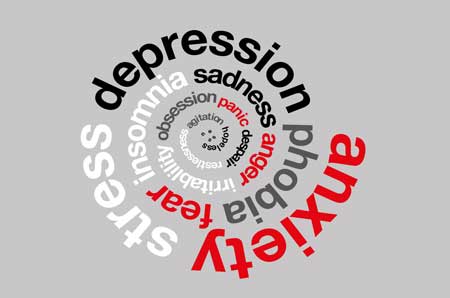 | Homeopathy clinic in Thane Psychological Problems and Disorders Stress. Neurosis. Hypochondriasis. Somatization Disorder. Factitious Disorder. Schizophrenia. Paranoia. View product → |
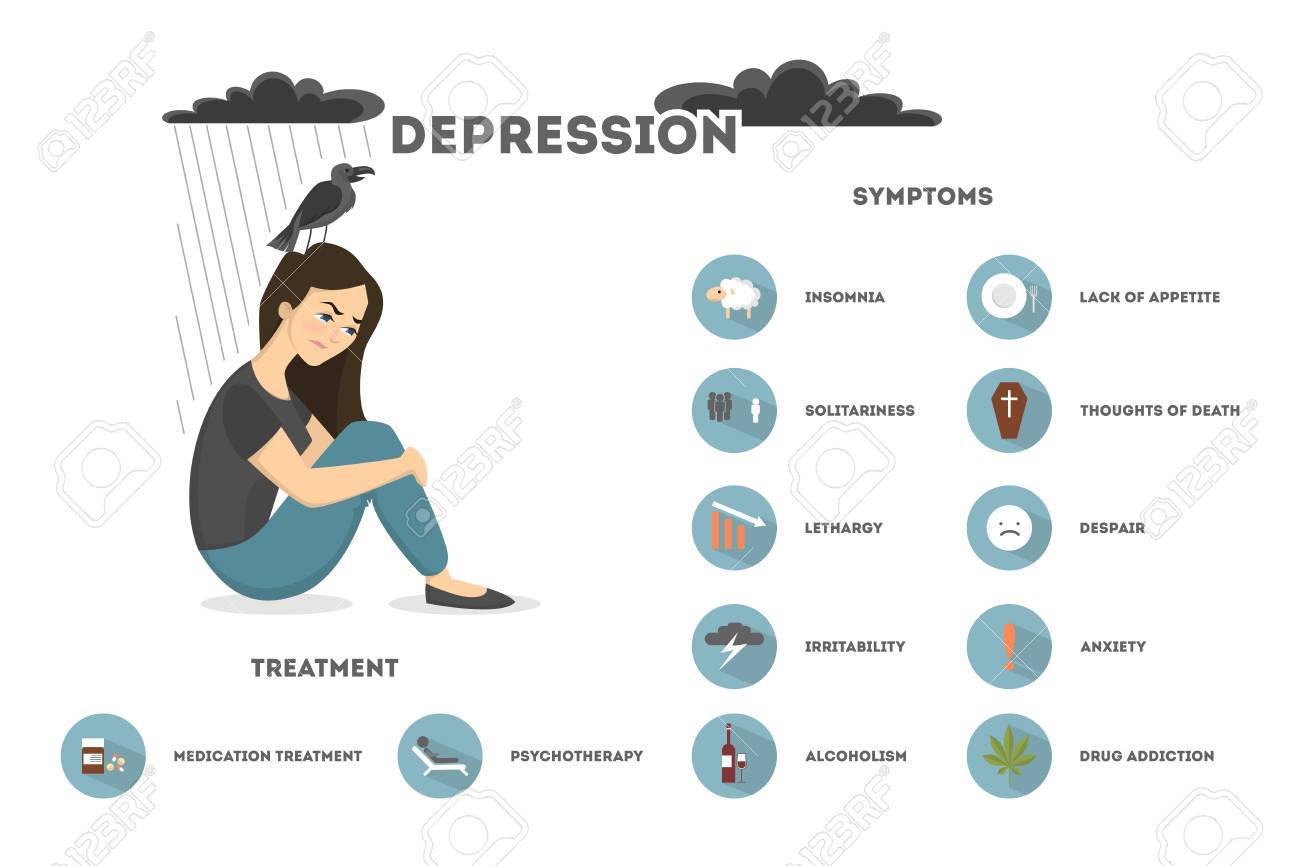 | Homeopathy Depression Mood: anxiety, apathy, general discontent, guilt, hopelessness, loss of interest, loss of interest or pleasure in activities, mood swings, or sadness... |
Prepare for the appointment and track whether care is helping
Bring a written list of every medicine, supplement, and homeopathic product, including the dose and time taken. Add previous diagnoses, therapy history, discharge summaries, relevant test results, usual sleep and appetite patterns, and alcohol or drug use. If the patient agrees and feels safe, include observations from a trusted person.
1. Allow enough time for the first depression consultation in Thane. The clinician needs a full history, private safety screening, and a clear plan, not a rapid remedy selection.
2. At later appointments, review suicidal thoughts, sleep, appetite, energy, concentration, daily functioning, attendance, side effects, and adherence to agreed treatment. Ask what changed and what made care difficult.
3. Keep a daily record of sleep hours, activity, work or household tasks completed, alcohol or drug use, and any change in safety. A written pattern is more useful than relying only on how your mood feels during one visit.
Mental health homeopathy support in Thane should include prompt review and referral when symptoms worsen, suicidal thinking appears, or mania or psychosis develops. No meaningful improvement also requires reassessment rather than endless repeat consultations. Homeopathic follow-up should not delay psychiatric, psychological, medical, or emergency care.
Know when coordinated specialist care is the better next step
After the first visit, complementary support can continue only when symptoms are stable, safety is clear, and a qualified clinician is monitoring progress. Change the plan when improvement stalls; involve specialist care promptly when any of these apply:
1. Ask for a psychiatrist when depression is moderate, severe, recurrent, treatment-resistant, or accompanied by suicide risk, psychotic symptoms, bipolar features, rapidly worsening mood, or serious self-neglect. A psychiatrist can reassess the diagnosis and consider medication.
2. Ask a psychologist for structured therapy such as cognitive behavioural therapy or behavioural activation. A general physician can review physical contributors and medicines, while an endocrinologist can investigate suspected thyroid or other endocrine disease.
3. Treat significant medical symptoms, confusion, hallucinations, mania, inability to manage basic needs, or immediate danger as reasons for urgent specialist or emergency care—not repeated homeopathic consultations alone.
4. Before choosing a homeopathic doctor for depression in Thane, ask whether the service offers only homeopathic consultation or has a named referral pathway for psychiatric assessment, psychological therapy, and emergencies. A depression homeopathy clinic in Thane should explain its safety screening and coordination process.
The clinic must obtain consent before sharing information with relatives. Involve a trusted person only with the patient’s agreement, unless an immediate-safety or legal exception applies. Never stop prescribed antidepressants abruptly or hide homeopathic products from a doctor or pharmacist.
Frequently asked questions
When does depression need urgent help?
Seek urgent help when there are suicidal thoughts, a self-harm urge, a suicide plan or intent, or recent self-harm. Do not leave the person alone during immediate danger; contact local emergency services or go to the nearest hospital.
What should a depression consultation investigate?
A proper consultation should review mood, sleep, appetite, concentration, functioning, symptom duration, medicines, substance use, medical conditions, past treatment, and safety risks.
Can homeopathy replace depression treatment?
No. Use homeopathy only as complementary support alongside qualified mental-health care and prescribed treatment. Do not stop antidepressants or other medicines without the prescriber’s guidance.
How can you tell whether depression care is helping?
Track sleep, appetite, energy, mood, daily functioning, side effects, and self-harm thoughts at regular intervals, then review the record with your clinician.
When is coordinated specialist care the better next step?
Arrange specialist care when symptoms are severe, safety concerns appear, functioning declines, treatment causes difficult side effects, or there is no meaningful improvement.