

“Female problems” is not one diagnosis: period changes, PCOS, endometriosis, vaginal symptoms, fertility concerns and menopause complaints have different causes and require different decisions. By the end, you will know what a homeopathic consultation can record, which symptoms need medical investigation first, and when standard care or urgent assessment is the safer choice.
Key takeaways
- “Female problems” includes menstrual, hormonal, reproductive, urinary and vulval symptoms.
- Seek diagnosis first for heavy bleeding, pregnancy concerns, breast changes or severe pain.
- A consultation reviews symptoms, cycle history, medicines, tests and previous diagnoses.
- Choose a clinic that explains limits, referrals, follow-up and coordination with standard care.
What “female problems” actually includes
“Female problems” is not a diagnosis. The phrase can cover period pain, heavy or irregular bleeding, premenstrual symptoms, PCOS, endometriosis, fibroids, menopause symptoms, acne, vaginal or vulval symptoms, urinary problems, fertility concerns, sexual pain, breast changes and pregnancy-related concerns.
| Concern | What it may involve | Why it needs separate assessment |
|---|---|---|
| Menstrual symptoms | Pain, heavy bleeding, missed or irregular periods | Causes include endometriosis, fibroids, PCOS, thyroid disease, pregnancy or anaemia |
| Vaginal or vulval symptoms | Discharge, itching, sores, burning or pelvic pain | Infection, sexually transmitted infections and pelvic inflammatory disease need testing |
| Fertility concerns | Difficulty conceiving, repeated pregnancy loss or irregular ovulation | Both partners’ health, ovulation, sperm, blocked tubes and other factors require assessment |
| Menopause and breast concerns | Hot flushes, sleep changes, vaginal dryness or a new breast lump | Hormone changes, medication effects and breast disease require different evaluation |
A female health homeopathy consultation may record symptoms and discuss supportive care, but a remedy does not identify the underlying cause. Do not treat all symptoms as “hormonal imbalance”: new severe pain, unusually heavy bleeding, pregnancy-related bleeding, fever with pelvic pain or a new breast lump needs medical assessment.
If you searched “homeopathy for female problems Thane,” use the phrase as a service description—not proof that one treatment fits every condition.
What happens during a homeopathic female-health consultation
Before discussing symptom support, a practitioner needs your timeline, not just the label “female problems.” Bring the first day of your last three periods, usual cycle length, bleeding changes, pain location and severity, discharge, sexual symptoms, pregnancy possibility, medicines, contraception, diagnoses and previous test results.
- Note missed periods, hot flushes, acne, excess facial hair, headaches, weight changes, urinary symptoms and sleep problems.
- Mention thyroid disease, PCOS, endometriosis, fibroids, anaemia, diabetes, pregnancy history and operations.
- Describe stress, diet and daily functioning, but do not let these explanations replace investigation.
- State your age and whether you are trying to conceive, recently gave birth or are breastfeeding.
Personal details can change the appropriate next step:
| Situation | What it can change | Next step |
|---|---|---|
| Possible pregnancy with bleeding or one-sided pain | Pregnancy-related emergencies must be excluded | Urgent medical assessment |
| Fever, pelvic pain, sores, burning urine or unusual discharge | Infection or pelvic inflammatory disease is possible | Sexual-health testing and prescribed treatment |
| New heavy bleeding, severe pain or missed periods | Anaemia, endometriosis, fibroids, PCOS or thyroid disease needs assessment | Examination and targeted tests |
A female disorder consultation Thane search should lead to a service that asks these questions and explains its limits. Seek emergency care for fainting, shoulder-tip pain, sudden severe pelvic pain, or bleeding that soaks a pad or tampon hourly for two hours. Homeopathic discussion must not delay diagnosis.
When symptoms need diagnosis before complementary care
Heavy or unusual bleeding needs diagnosis before you rely on home remedies. A pregnancy test can identify pregnancy-related bleeding, while an examination, blood count, thyroid tests, pelvic ultrasound or other investigations may reveal fibroids, polyps, adenomyosis, bleeding disorders, medication effects or, less commonly, cancer.
A homeopathic consultation records symptoms; it does not establish whether the cause is PCOS, endometriosis, infection or thyroid disease.
Seek urgent medical care for:
- Severe one-sided pelvic pain, fainting, dizziness or shoulder-tip pain when pregnancy is possible; these can signal an ectopic pregnancy.
- Bleeding during pregnancy, or bleeding that soaks one pad or tampon each hour for two or more hours.
- Fever with pelvic pain, foul-smelling discharge, or severe pain that is worsening.
- A new breast lump, sudden severe headache with weakness or speech trouble, or suicidal thoughts.
| Pattern or symptom | Investigation before complementary care | Why it matters |
|---|---|---|
| Missed periods, repeated cycles longer than 35 days, or new irregularity | Pregnancy test, blood tests and assessment for PCOS or thyroid disease | Treatment depends on the cause |
| Persistent pelvic pain or pain during sex | Pelvic examination and ultrasound; other tests when indicated | Endometriosis, cysts, fibroids and infection need different care |
| Heavy, prolonged or between-period bleeding | Pregnancy test, blood count, examination and ultrasound | Ongoing loss can cause anaemia |
| Unusual discharge, itching or burning | Examination and infection testing | Homeopathy should not delay treatment for an infection |
If you search “what does homeopathy for female problems address in Thane,” use that consultation only alongside appropriate testing and referral, not instead of it.
What homeopathy can reasonably support—and what standard care must handle
A remedy recommendation is not a diagnosis or proof that a disease is improving. A consultation may record pain, cycle timing, sleep, mood or bleeding and discuss symptom support, but reliable evidence has not shown homeopathic remedies to treat the underlying causes of PCOS, endometriosis, fibroids or infertility.
Use standard medical care to identify and manage conditions such as:
- PCOS, which may require assessment of ovulation, metabolic health, thyroid function and androgen-related symptoms.
- Endometriosis or fibroids, which may need examination, ultrasound, pain treatment or surgery.
- Infertility, which requires evaluation of both partners and may involve a fertility specialist.
- Infection, where testing and prescribed antimicrobial treatment matter; delaying care can allow complications.
- Abnormal bleeding, especially bleeding that causes anaemia, occurs after menopause, or follows a missed period.
- Menopause-related risks, including bone loss and cardiovascular risk. Menopause hormone therapy, non-hormonal medicines and local vaginal treatments are selected through standard care; homeopathy has not been shown to replace them or prevent osteoporosis.
You can discuss symptoms alongside medical treatment, but do not treat “female problems” as one disorder. Someone searching “homeopathy for female problems Thane” should ask whether the practitioner clearly separates symptom support from disease treatment and recommends referrals when needed. Guarantees to cure infertility, hormonal disorders or endometriosis are warning signs.
Seek urgent assessment for severe one-sided pelvic pain, fainting, shoulder-tip pain, heavy bleeding during possible pregnancy, fever with pelvic pain, or bleeding that soaks a pad or tampon hourly for two hours.
How to choose a safe local consultation
Choose the practitioner, not a promise. A homeopathic clinic for women Thane patients consider should identify the consulting practitioner, provide qualification and registration details, take a complete history, encourage appropriate testing, and explain limits clearly. Reject guarantees to cure infertility, PCOS, endometriosis, cancer, menopause, or every hormonal disorder.
| Finding | Safe response | Correct next step |
|---|---|---|
| Routine symptoms with no red flags | Discuss support only after reviewing cycle dates, medicines, pregnancy possibility, and previous reports | Keep your primary-care or gynaecology follow-up |
| Persistent pain, missed periods, heavy bleeding, abnormal discharge, infertility, or possible thyroid or PCOS symptoms | Do not rely on remedies before diagnosis | Arrange examination, blood tests, ultrasound, or fertility assessment |
| Severe one-sided pelvic pain, fainting, shoulder-tip pain, or bleeding when pregnancy is possible | Treat it as an emergency concern | Go to an emergency department immediately |
| Soaking a pad or tampon every hour for two hours, fever with pelvic pain, sudden neurological symptoms, a new breast lump, or suicidal thoughts | Do not wait for a clinic appointment | Seek urgent medical care |
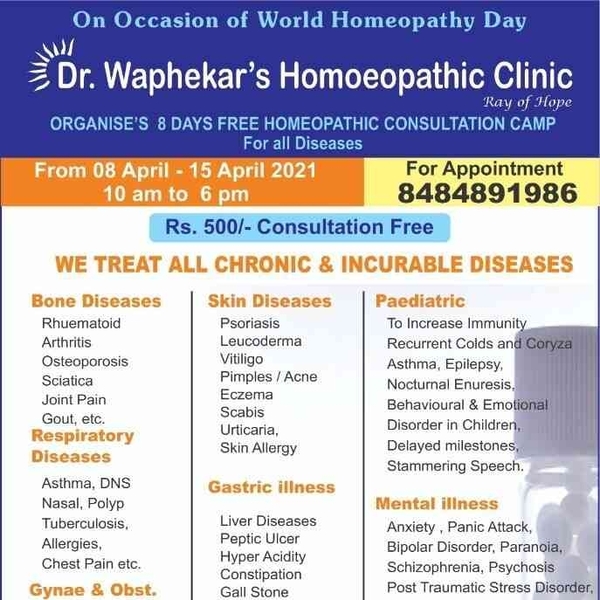
Disclose pregnancy, breastfeeding, attempts to conceive, contraception, prescribed medicines, supplements, and other remedies. Never stop progesterone, thyroid medicine, antidepressants, insulin, or anti-seizure treatment without the prescriber’s advice. Dr. Waphekar's Homeopathic Clinic can fit into care when it documents this information and supports referrals rather than replacing them.
Use female health homeopathy as complementary discussion, not a reason to postpone a gynaecologist, fertility specialist, or emergency department.
Frequently asked questions
What does “female problems” include?
The phrase can refer to period pain, heavy or irregular bleeding, premenstrual symptoms, PCOS, endometriosis, fibroids, menopause symptoms, acne, vaginal or vulval symptoms, urinary problems, fertility concerns, sexual pain, breast changes and pregnancy-related concerns.
What happens during a homeopathic female-health consultation?
The clinician should ask about your symptoms, menstrual-cycle pattern, pregnancy possibility, medical history, medicines, previous diagnoses and relevant test results. Bring reports and a list of medicines you take.
When should symptoms be diagnosed before complementary care?
Seek medical assessment before complementary care for heavy or sudden bleeding, severe pelvic pain, pregnancy-related symptoms, breast changes, fever, fainting, new urinary symptoms or possible sexually transmitted infection. Urgent care is appropriate for severe pain, soaking pads rapidly, fainting or suspected ectopic pregnancy.
What can homeopathy reasonably support, and what requires standard care?
A consultation may help you organise symptoms and discuss supportive care, but it must not replace diagnosis or proven treatment. Conditions such as ectopic pregnancy, severe anaemia, cancer, serious infection and complications requiring surgery need standard medical care.
How do you choose a safe local consultation in Thane?
Choose a clinic that takes a complete history, reviews reports, states what it can and cannot address, identifies red flags, recommends referral when needed and schedules follow-up. Do not stop prescribed medicines without the prescribing clinician’s advice.