


A first conversation can clarify whether you need a general mental-health assessment, structured psychological treatment, psychiatric care or urgent help. You will learn what to prepare, how clinicians assess symptoms, which warning signs change the plan and how to judge complementary care safely.
Key takeaways
- Choose ongoing care when symptoms persist, impair daily life, or create a safety risk.
- Prepare a symptom timeline, medicine list, sleep details, and substance-use history.
- Seek urgent help for suicidal thoughts, self-harm risk, psychosis, or immediate danger.
- Use homeopathy only as complementary care, not a substitute for psychiatric treatment.
When do you need a checkup, and when do you need ongoing care?
One assessment is enough when the concern is mild, clearly linked to a short-term event, your daily functioning remains stable, and the clinician finds no safety risk or sign of a persistent disorder. The assessment should still review symptoms, duration, sleep, medicines, substance use, physical health and functioning; a questionnaire alone cannot establish a diagnosis.
Use these checks after a mental health checkup thane appointment:
- Arrange ongoing care when symptoms last for weeks, return repeatedly, worsen, disrupt work or relationships, or affect sleep, appetite, concentration or self-care.
- Continue treatment when you begin therapy or medication, because progress requires agreed targets, review dates and a plan for side effects or deterioration.
- Request medical assessment when symptoms begin suddenly or occur with confusion, seizures, severe headaches, thyroid symptoms, intoxication, withdrawal or another physical change.
- Seek urgent psychiatric or emergency help for suicidal thoughts, a recent attempt, hallucinations, mania, severe self-neglect or danger to another person. Call 112 in India; Tele-MANAS is available at 14416.
A psychiatrist can diagnose medical psychiatric conditions and prescribe; a clinical psychologist can assess and provide psychological interventions within their training and registration. A homeopathic practitioner is not automatically qualified for either role.
If you searched for “mental health checkup psychological problem for care thane,” verify the provider’s qualification and referral plan before booking, then judge improvement by symptoms and functioning over time—not temporary reassurance.
What happens during a psychological problem consultation?
A psychological problem consultation begins with your main concern, when it started, and how it affects daily life. The clinician will ask about symptoms, examine your mental state through conversation and observation, and consider physical or medication-related causes. A checklist can guide questions, but it does not establish a diagnosis by itself.
Expect questions about:
- Mood, worry, panic, irritability, unusual fears, intrusive thoughts, or loss of interest
- Sleep timing and quality, appetite, energy, concentration, memory, and physical symptoms
- Work, study, relationships, self-care, and changes in everyday functioning
- Alcohol, cannabis, tobacco, stimulants, or other substance use
- Current medicines, missed doses, supplements, previous diagnoses, therapy, hospital care, and medical conditions
- Trauma-related experiences, elevated or unusually active periods, hallucinations, fixed unusual beliefs, and repetitive behaviours
- Thoughts of self-harm, suicide, harming another person, severe neglect, or feeling unsafe
The clinician then decides whether you need reassurance and monitoring, psychological treatment, medical assessment, psychiatric care, or a combination. Ask for a clear plan: symptom targets, the next review date, signs of deterioration, and a crisis contact. Continuing care measures changes in symptoms and functioning over time, not just relief during one appointment.
Suicidal intent, a recent attempt, confusion, hallucinations, mania, severe self-neglect, or danger to someone else requires urgent psychiatric or emergency care. Call 112 in India or Tele-MANAS at 14416; do not wait for a routine consultation.
How should you prepare, and when is routine care unsafe?
Bring a short symptom timeline, not just a label such as “stress” or “anxiety.” Note when symptoms began, how often they occur, changes in sleep, appetite, concentration and work or home functioning, plus alcohol or drug use.
A mental health checkup in Thane should also include current medicines, past diagnoses, therapy records, medical reports and relevant family history.
- Carry medicine strips or a written list with doses, previous prescriptions and allergies.
- Ask a trusted person to describe changes they have noticed, especially reduced sleep, unusual spending, withdrawal or confusion.
- Tell the clinician about thyroid disease, seizures, head injury, pregnancy, sleep problems and recent medication changes.
- Ask how records are stored, who can access them and what happens if safety concerns arise.
A screening questionnaire does not establish a diagnosis. Sudden or unusual symptoms with fever, weakness, seizures, severe headache, intoxication or withdrawal need medical assessment because physical or medication-related causes can mimic psychiatric illness.
| Situation | What to do | Why waiting is unsafe |
|---|---|---|
| Suicidal thoughts with intent, a recent attempt or access to means | Call 112 or go to the nearest emergency department; do not leave the person alone | The risk can change within minutes |
| Hallucinations, severe confusion, mania or inability to care for basic needs | Seek urgent psychiatric or hospital care | Judgment, reality testing or self-care may be impaired |
| Threats or plans to harm another person | Call 112 and maintain distance | Immediate safety takes priority |
| Need for guidance without imminent danger | Contact Tele-MANAS at 14416 or 1-800-891-4416 | It can guide you to services, but it is not emergency intervention |
Which professional or care route fits your situation?
Choose the professional by the problem you need assessed, not by the word “therapy” on a sign. In Thane, these routes differ in medical authority, assessment methods and responsibility for follow-up.
| Option | What it means | When it applies |
|---|---|---|
| Psychiatrist | A medical doctor who can diagnose mental disorders, prescribe medicines and manage risk | Suicidal thoughts, psychosis, mania, severe depression, medication decisions or complex symptoms |
| Clinical psychologist | A trained and registered specialist who conducts psychological assessments and provides evidence-based psychological interventions | Diagnosis support, structured therapy, cognitive or behavioural difficulties and longer-term psychotherapy |
| Counsellor | A practitioner whose training and scope vary; usually offers supportive counselling for defined concerns | Stress, grief, relationship difficulties or adjustment problems when there is no urgent risk |
| Psychotherapist | A therapist trained in a specific psychological method; the title alone does not prove medical or clinical-psychology qualification | Ongoing therapy after you verify training, method and supervision |
| General physician | A doctor who checks physical illness, medicines and substance effects that can resemble mental symptoms, then refers | First assessment when fatigue, thyroid disease, sleep problems or medication effects may contribute |
| Complementary clinic | Offers non-mainstream care alongside, not instead of, psychiatric or psychological treatment | Support only after clear referral rules and safety boundaries are established |
Homeopathy mental health care has not been established as an effective treatment for mental disorders. If you contact Dr. Waphekar's Homeopathic Clinic, ask who handles psychiatric referral, how records are protected and whether the clinician will coordinate with your psychiatrist or psychologist.
Do not stop antidepressants, antipsychotics, mood stabilisers or therapy on a clinic’s advice alone. For immediate danger, confusion, hallucinations or a recent suicide attempt, call 112 or Tele-MANAS at 14416; do not wait for a homeopathic clinic mental health thane appointment.
Related product
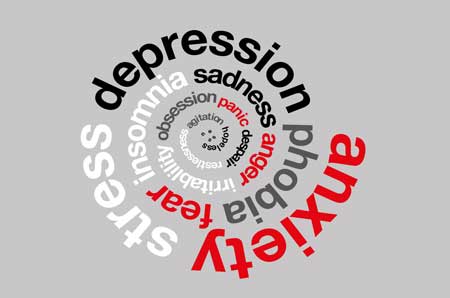 | Homeopathy clinic in Thane Psychological Problems and Disorders Stress. Neurosis. Hypochondriasis. Somatization Disorder. Factitious Disorder. Schizophrenia. Paranoia. View product → |
How do you monitor ongoing care and protect your treatment?
Agree on measurable targets before continuing care: fewer panic episodes, regular sleep, improved concentration, safer self-care, or reliable attendance at work or college. Review symptoms and day-to-day functioning at each appointment; temporary reassurance after a consultation is not proof of recovery.
At each follow-up, ask for:
- A review date and the specific changes expected by then
- New or worsening symptoms, missed medicines, side effects, alcohol or drug use, and sleep disruption
- The effect on eating, hygiene, work, study, relationships and finances
- A written deterioration plan, including who to contact and where to go
- The name, dose and ingredients of every medicine and homeopathic product
Homeopathy mental health care must not replace an indicated psychiatric assessment, psychotherapy or medical evaluation. Do not stop antidepressants, antipsychotics, mood stabilisers, anti-anxiety medicines or therapy without the prescribing clinician’s supervision; abrupt changes can cause withdrawal or relapse. Check product labels and disclose them to every clinician because safety and interaction concerns still apply.
A credible provider states when referral to a psychiatrist, clinical psychologist, hospital or emergency service is needed. Seek urgent help for suicidal thoughts or a recent attempt, hallucinations, mania, confusion, severe self-neglect or danger to another person. Call 112 in India or Tele-MANAS at 14416.
For a mental health checkup or psychological problem care in Thane, confirm the practitioner’s qualification and scope before relying on ongoing support.
Frequently asked questions
When is a mental health checkup enough, and when is ongoing care needed?
One assessment can be enough when symptoms are mild, tied to a short-term event, daily functioning is stable, and there is no safety risk or sign of a persistent disorder. Ongoing care is appropriate when symptoms persist, recur, impair work or relationships, or require monitoring.
What happens during a psychological problem consultation?
The clinician reviews symptoms, duration, sleep, medicines, substance use, physical health, functioning, personal history, and safety. A questionnaire can support assessment but cannot establish a diagnosis on its own.
How should I prepare for a mental health checkup in Thane?
Bring a list of medicines and supplements, a symptom timeline, relevant medical records, sleep patterns, substance-use details, and questions about treatment. Note changes in work, study, relationships, appetite, and daily routines.
When is routine psychological care unsafe?
Seek urgent emergency help for suicidal intent, an immediate self-harm risk, threats to others, severe confusion, hallucinations, mania with dangerous behaviour, or inability to meet basic needs. Do not wait for a routine appointment.
Which professional should I choose for a psychological problem consultation?
A psychiatrist can diagnose mental disorders and prescribe medicines. A clinical psychologist can assess and provide psychological therapy. A general physician can evaluate physical causes and coordinate referral. Complementary services, including homeopathy, should not replace urgent psychiatric care, prescribed treatment, or therapy.