

“Incurable” usually means a condition that needs continuing control, monitoring and support—not that treatment is impossible. By the end, you will know what a homeopathic consultation can realistically contribute, which treatments must continue, what to bring, how progress should be measured and when urgent medical care takes priority.
Key takeaways
- Keep prescribed disease-specific treatment unless your specialist changes it.
- Bring medication lists, test reports, symptom timelines, and emergency contacts.
- Track symptoms, function, flare-ups, side effects, and test results over time.
- Seek emergency care for severe breathing trouble, seizures, chest pain, or confusion.
What “incurable” means in everyday disease management
“Incurable” usually means a condition needs long-term control rather than that nothing can be done. Diabetes, epilepsy, chronic lung disease and some cancers can respond to treatment, remain stable for years, or flare despite careful care; permanent elimination is simply not the expected outcome.
- Cure means the disease has been eliminated, with no ongoing treatment needed to prevent its return.
- Remission means signs of disease have reduced or disappeared, but the condition can return and monitoring may continue.
- Symptom control means reducing problems such as pain, breathlessness, seizures, itching or fatigue without claiming to remove the underlying disease.
- Supportive care means helping with comfort, function, emotional strain, rehabilitation and quality of life alongside disease-specific treatment.
The practical goal is measurable improvement and fewer complications: blood pressure, HbA1c, lung function, seizure frequency or a validated mental-health scale can show change more reliably than impression alone. Continue prescribed medicines and specialist follow-up when your condition requires them; stopping treatment because symptoms improve can trigger a dangerous relapse.
A homeopathic clinic for long term illness in Thane can offer time to discuss symptoms, concerns and treatment goals, but that consultation is not evidence that homeopathic remedies alter a disease’s course.
No good-quality evidence establishes homeopathy as effective for any health condition, so supportive consultation must not be presented as a cure or a substitute for proven care.
Where homeopathy fits—and where disease-specific treatment remains essential
Homeopathy has not been shown by good-quality evidence to treat any disease or replace disease-specific care. A consultation can still give you time to describe symptoms, concerns and treatment goals, but that benefit is different from evidence that a remedy changes the course of an illness.
Searches for “homeopathic clinic benefits for incurable diseases in thane” should keep that distinction clear.
Use homeopathy only as complementary support, after discussing it with the doctor managing your condition. Do not stop insulin, inhalers, blood-pressure tablets, anti-seizure medicines, anticoagulants, cancer treatment or other prescribed drugs without medical advice. Keep monitoring, rehabilitation and specialist appointments; delaying them can allow complications to progress unnoticed.
Seek urgent medical care for:
- Chest pain, pressure or pain spreading to the arm, jaw or back
- Severe breathlessness, blue lips or inability to speak normally
- Confusion, fainting, a seizure or sudden extreme weakness
- Stroke signs: facial drooping, one-sided weakness or speech difficulty
- Very high blood glucose with vomiting, deep breathing, severe thirst, drowsiness or confusion
- Suicidal thoughts, psychosis, mania, severe withdrawal or inability to care for yourself
For advanced illness, palliative care can run alongside disease-directed treatment and address pain, other symptoms, psychological support and quality of life. Homeopathy must not replace oncology, psychiatry, psychology, hospice or palliative services. Ask what diagnosis is being managed, which outcome will be measured, when reassessment occurs and how the practitioner will coordinate with your doctor.
What to bring to a first chronic-care consultation
Bring a one-page health summary, current medicines, and copies of recent reports to your first appointment. Keep the original prescriptions and discharge papers available if the clinician needs to verify details.
1. Write each confirmed diagnosis, the date it was made, and the doctor or specialist managing it.
2. List every medicine, inhaler, injection, supplement, and over-the-counter product. Add its strength, dose, timing, and the reason you take it. Do not stop prescribed treatment before consulting the prescribing doctor.
3. Add test results and scan reports, including dates. Examples include HbA1c, thyroid tests, blood pressure readings, lung-function results, and imaging reports.
4. Describe each important symptom: when it began, how often it occurs, how severe it becomes, and what changes it. A two-week diary is more useful than memory alone.
5. Record triggers and relieving factors, such as foods, exertion, weather, stress, menstrual cycles, or missed doses.
6. Note your usual sleep schedule, night waking, appetite, water intake, caffeine, alcohol, tobacco, and typical meals.
7. Include anxiety, low mood, panic, trauma, concentration problems, or suicidal thoughts. Mention counselling, psychiatric care, and mental-health medicines.
8. Summarise previous treatments, including conventional medicines, physiotherapy, counselling, surgery, and any homeopathic products, along with benefits or side effects.
A homeopathic clinic for chronic disease support in Thane should ask what outcome will be measured, when reassessment will occur, and how it will coordinate with your treating doctor. The consultation may help organise concerns, but it is not proof that a remedy changes the disease.
How responsible follow-up measures progress over months
Set the next review before leaving: after a treatment change, reassess within 2–6 weeks; once stable, appointments may spread to every few months according to the diagnosis. Record daily symptoms, sleep, function, triggers and medicine adherence in a dated log.
Bring home blood-pressure readings, glucose results, peak-flow values, HbA1c reports, seizure counts or validated mental-health scores when relevant. A better day is useful information, not proof that a remedy altered the disease.
At each review, ask:
- What diagnosis is being monitored?
- Which outcome will be measured, and what result would change the plan?
- When will the next reassessment occur?
- Which warning signs require referral?
- Will the practitioner coordinate with your doctor?
The benefits of homeopathic clinic in Thane can include time to explain concerns and treatment goals, but evidence that homeopathic remedies change the course of disease is not established. Do not stop prescribed treatment while judging subjective improvement.
| Approach | Main follow-up focus | What it must not replace |
|---|---|---|
| Homeopathic consultation | Symptoms, goals, safety and referral | Disease-specific medicines or specialist care |
| Conventional care | Diagnosis, tests, medicines and complications | — |
| Physiotherapy | Strength, movement, pain and function | Medical assessment of new symptoms |
| Counselling | Mood, coping, behaviour and risk | Emergency mental-health care |
| Dietetic or lifestyle support | Food intake, weight, activity and habits | Prescribed treatment or monitoring |
How to choose a safe clinic and recognise an emergency
A safe clinic defines the diagnosis, the measurable outcome and the review date before recommending anything. Claims about homeopathic clinic benefits for incurable diseases in Thane should not replace prescribed treatment: major health authorities report no good-quality evidence that homeopathy treats any condition. Ask whether the practitioner will share records and coordinate with your doctor.
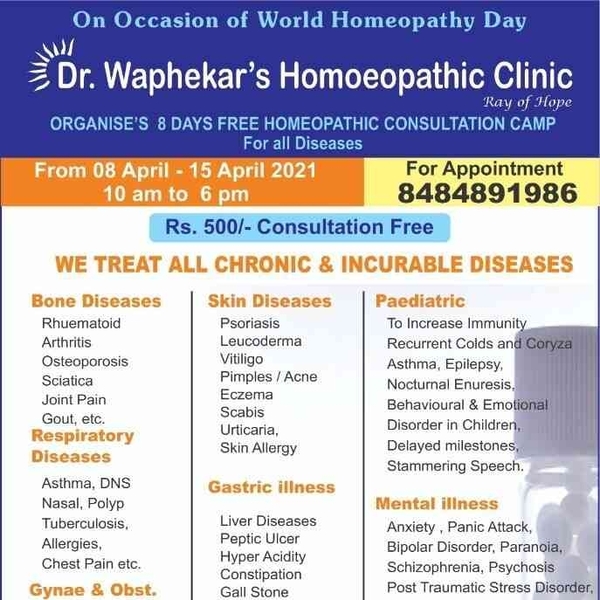
Dr. Waphekar's Homeopathic Clinic should be judged by these safeguards, not by promises of a cure.
Ask:
- What diagnosis are you treating, and what result will we measure: blood pressure, HbA1c, lung function, seizure frequency or a validated mental-health scale?
- When will we reassess, and what finding means I need a specialist?
- What are the product’s ingredients, batch number, expiry date and storage instructions? Check interactions with a pharmacist before combining it with prescribed medicines, and never stop insulin, inhalers, psychiatric medicines or other treatment without the prescriber.
- Will you refer an unexplained, spreading, painful or infected skin eruption, especially near the eyes?
- For depression or other mental-health symptoms, who provides psychiatric or psychological care?
homeopathic clinic for chronic disease support in Thane should coordinate rather than delay care:
| Option | What it means | When it applies |
|---|---|---|
| Specialist review | Disease-specific diagnosis and treatment | Worsening symptoms, abnormal tests or uncertain diagnosis |
| Mental-health emergency | Urgent conventional assessment | Suicidal thoughts, psychosis, mania, severe withdrawal or inability to self-care |
| Emergency department | Immediate medical care | Chest pain, severe breathlessness, fainting, confusion, stroke signs, or very high glucose with vomiting or deep breathing |
| Palliative care | Symptom, psychological and family support alongside treatment | Advanced or life-limiting illness needing pain and quality-of-life control |
Related products
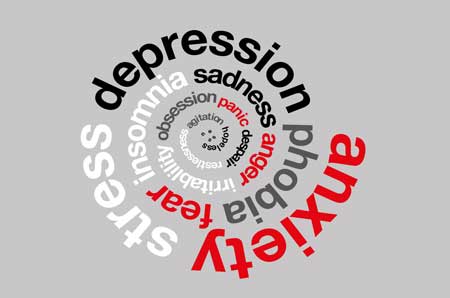 | Homeopathy clinic in Thane Psychological Problems and Disorders Stress. Neurosis. Hypochondriasis. Somatization Disorder. Factitious Disorder. Schizophrenia. Paranoia. View product → |
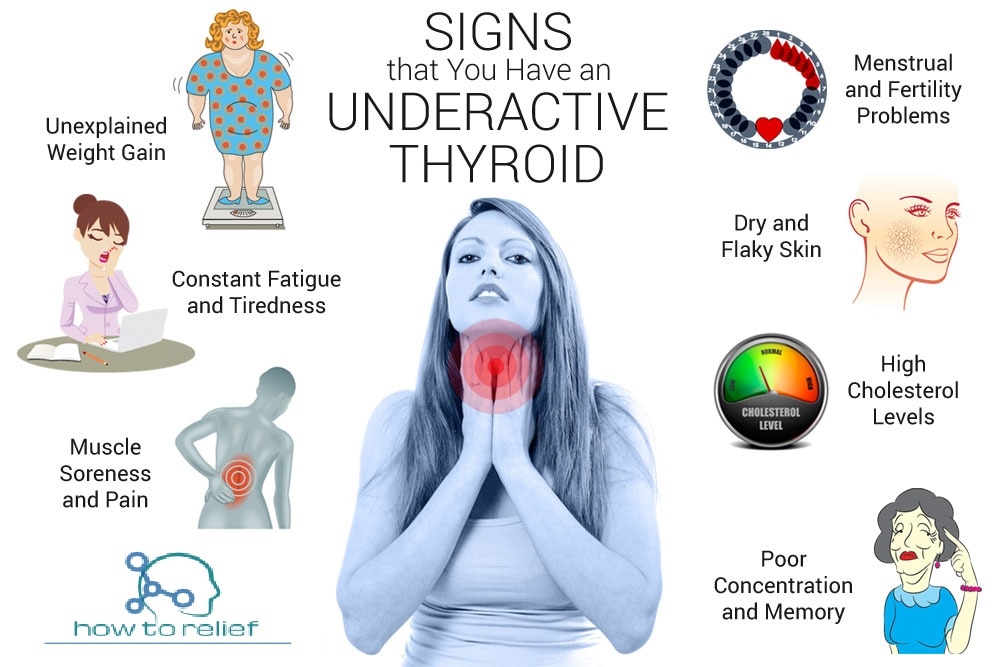 | Best Homeopathy Clinic in Bhiwandi Thyroidism ₹1000 Hypothyroidism signs and symptoms may include: Fatigue. Increased sensitivity to cold. Constipation. Dry skin. Weight gain. Puffy face. Hoarseness. |
Frequently asked questions
What does “incurable” mean in everyday disease management?
It means a condition requires ongoing control rather than permanent elimination. Diabetes, epilepsy, chronic lung disease, and some cancers can remain stable with appropriate care but can also flare.
Where does homeopathy fit into long-term disease care?
A homeopathic consultation can provide supportive symptom discussions and follow-up, but it must not replace disease-specific treatment, monitoring, surgery, emergency care, or medicines prescribed by a qualified specialist.
What should I bring to a first chronic-care consultation?
Bring your current medicine list with doses, diagnoses, allergies, test reports, hospital summaries, symptom timelines, treatment responses, and contact details for your treating specialists.
How is progress measured over several months?
Compare symptoms, daily function, flare frequency, medicine side effects, examination findings, and relevant tests at planned reviews. Record changes rather than relying on memory.
How do I choose a safe clinic for chronic disease support in Thane?
Choose a clinic that takes a complete history, reviews existing treatment, explains its limits, documents follow-up, and refers you promptly when specialist or emergency care is needed.
Related products
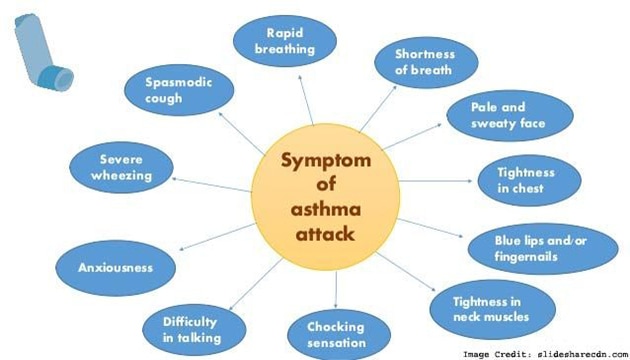 | Homeopathic Treatment in Thane Asthma signs and symptoms include: Shortness of breath. Chest tightness or pain. Trouble sleeping caused by shortness of breath, coughing or wheezing. |
 | Homeopathy clinic in Bhiwandi Diabetes Common symptoms of diabetes Urinating often. Feeling very thirsty. Feeling very hungry - even though you are eating. Extreme fatigue. Blurry vision. |
 | Best Homeopathy Doctor in Bhiwandi Hypertension Symptoms of severe hypertension can include: headaches. shortness of breath. nosebleeds. flushing. dizziness. chest pain. |
 | obesity Obesity symptoms breathlessness. increased sweating. snoring. inability to cope with sudden physical activity. feeling very tired every day. |