


A rash that lasts for weeks or keeps returning needs identification before you choose a treatment. By the end, you will know when a homeopathic consultation can be considered as complementary care, which warning signs need prompt medical assessment, and what information to take to an appointment.
Key takeaways
- Get a clinical diagnosis before treating a persistent or recurring rash.
- Seek urgent care for facial swelling, breathing trouble, fever, or rapidly spreading redness.
- Bring medication details, flare photographs, and previous test reports to your consultation.
- Ask how improvement will be measured and when conventional care is needed.
What Counts as a Chronic Skin Problem—and What Must Be Diagnosed First
A chronic skin problem lasts for weeks, returns after treatment, or requires repeated care. Persistence does not prove that you have eczema or psoriasis; the rash needs a clinical diagnosis before you choose any treatment.
Eczema, psoriasis, fungal infection, scabies, allergic contact dermatitis, drug eruptions, bacterial infection and skin cancer can resemble one another. The cause changes the treatment, so a person searching for homeopathy medicine for chronic skin problems in bhiwandi should begin with diagnosis, not a remedy.
Ask a clinician to assess these clues:
- An itchy or ring-shaped rash may be tinea, a dermatophyte infection rather than eczema. Steroid-containing creams can suppress its visible inflammation while the fungus spreads, creating tinea incognito and delaying correct treatment.
- Intense itching at night, or itching among household members or other close contacts, raises concern for scabies. Suspected scabies needs appropriate treatment and coordinated management of close contacts; homeopathic skin treatment is not a substitute.
- A rash after cosmetics, hair dye, fragrance, topical medicine, detergent or workplace chemical exposure may be allergic contact dermatitis. Patch testing and an exposure review can identify the trigger.
- Rapidly spreading redness, severe pain, fever, facial or eye involvement, breathing difficulty, painful blisters, skin peeling, pus, worsening warmth or swelling, or a changing lesion needs prompt medical assessment.
Diagnosis comes first; complementary care, if considered, must not delay effective treatment.
When Homeopathy Is Considered and What the Evidence Means
Homeopathy enters the discussion only after an appropriate diagnosis, not as a substitute for finding the cause of a persistent rash. A search for “homeopathy medicine skin problems in bhiwandi” may lead to a consultation in these situations:
- Symptoms return after treatment or require repeated care.
- Conventional treatment causes side effects, irritation, or other difficulties.
- You want optional complementary support alongside established care.
- You want to discuss symptom management after a clinician has assessed the condition.
Major evidence reviews have not found reliable, reproducible evidence that homeopathy treats any specific health condition. It must not replace an effective dermatological treatment, a needed diagnostic test, or a prescribed medicine.
A supportive consultation means discussing symptoms and choices; it is not evidence that a product can cure eczema, psoriasis, infection, or another diagnosed disorder.
Do not stop, reduce, or delay prescribed treatment without agreement from the clinician who prescribed it. Delaying proven care can allow an infection, inflammatory disease, or suspicious lesion to worsen.
Homeopathic products are not automatically risk-free. They can contain active ingredients, alcohol, or contaminants, and some products labelled homeopathic have caused adverse effects or interactions. Show every product and its complete label to your doctor or pharmacist before using it, especially if you take regular medicines, are pregnant, or are treating a child.
Which Skin Symptoms Need Urgent Medical Assessment
Seek prompt conventional medical assessment rather than delaying care for homeopathic skin treatment in bhiwandi if the skin is deteriorating quickly or you feel unwell. These signs can indicate infection, a serious inflammatory reaction, an allergic emergency, or skin cancer; empirical treatment can delay antibiotics, emergency care, biopsy, or other necessary treatment.
- Go urgently for rapidly spreading redness, severe pain, fever with a rash, facial or eye swelling, breathing difficulty, painful blisters, extensive blistering or skin peeling, extensive open sores, pus, or worsening warmth or swelling.
- Arrange prompt dermatologist assessment for a changing mole, a bleeding or repeatedly crusting lesion, a sore that does not heal, or a rapidly growing lump. Do not keep treating these as an ordinary chronic rash.
- Suspect scabies when itching is intense at night or close contacts are also itching. It requires appropriate treatment for the affected person and household or close-contact management; a homeopathic treatment cannot replace this infection-control step.
- If you have psoriasis and develop new joint pain, stiffness, or swelling, seek medical assessment for psoriatic arthritis. Delayed recognition can allow permanent joint damage.
| Sign or pattern | Recommended action | Why delay is risky |
|---|---|---|
| Rapid redness, warmth, pus or swelling | Prompt medical assessment | Infection can spread |
| Blisters, peeling, breathing or facial symptoms | Urgent care | Serious reaction may worsen quickly |
| Changing, bleeding or non-healing lesion | Dermatologist review | Cancer needs examination and possible biopsy |
| Night itch or itching contacts | Scabies assessment | Contacts may need simultaneous treatment |
| Psoriasis with joint symptoms | Medical assessment | Joint damage can become permanent |
How to Prepare for a Skin-Disorder Homeopathy Consultation in Bhiwandi
Bring evidence, not just a description. Take clear photographs from previous flare-ups, including one wider image showing distribution and one close-up, and note the exact onset date, body sites affected, itching or pain, and changes since then.
Prepare this checklist:
- Every cream, ointment, lotion, tablet, supplement and homeopathic product, with its label and exact ingredient names
- Previous diagnoses, examination findings and test reports
- Allergy history, including medicine, food, cosmetic and adhesive reactions
- Suspected triggers such as soaps, detergents, fragrances, hair dye, workplace chemicals, heat or foods
- Records of diabetes or thyroid disease, including current medicines
Ask these questions during the appointment:
| Question | Why it matters | What to confirm |
|---|---|---|
| What is your working diagnosis? | A persistent rash is not automatically eczema or psoriasis. | What findings support it, and what remains uncertain? |
| Do I need an examination, test or referral? | Some conditions need direct assessment or testing. | Who will assess you and when? |
| What is the treatment goal? | Symptom relief is different from clearing the cause. | What improvement is expected? |
| When is the review? | Unmonitored treatment can delay needed care. | Set a specific date. |
| Could this product interact with my medicines? | Homeopathic products can contain active ingredients, alcohol or contaminants. | Show the label to a doctor or pharmacist. |
| When should I see a dermatologist or physician? | Changing, bleeding or non-healing lesions need prompt assessment. | Get clear warning signs. |
You may contact Dr. Waphekar's Homeopathic Clinic to ask about its consultation process, but verify its examination, follow-up and referral arrangements rather than assuming them. Do not stop prescribed treatment without the prescribing clinician’s agreement.
Related product
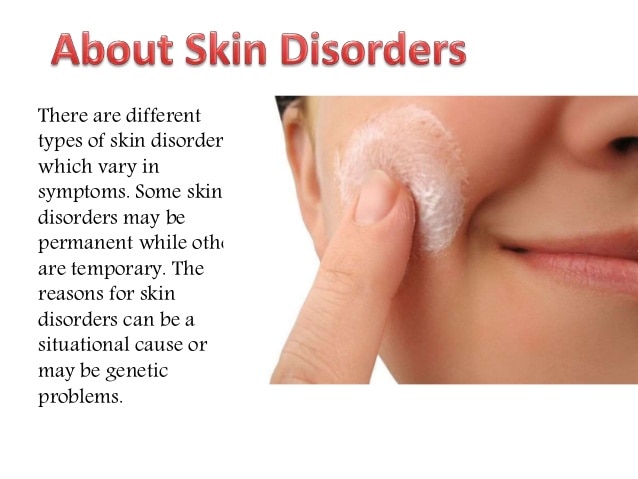 | Homeopathy doctor in bhiwandi Skin irregularities that are typically symptoms of a skin disorder include raised bumps that are red or white. View product → |
What to Confirm During Follow-Up and After a Flare
A follow-up is safe only when it measures change and defines the next decision. Ask how long each consultation lasts, how frequently reviews occur, and whether progress will be recorded with dated photographs, symptom notes, lesion location, itching intensity and treatment changes.
1. Request a written review plan: the next appointment date, the treatment goal, what improvement should look like, and what happens if symptoms settle. Do not stop prescribed treatment or assume improvement proves the diagnosis.
2. Ask what to do after a flare. Confirm which symptoms require prompt medical review, who to contact, and when referral is made. A skin disorder homeopathy doctor in Bhiwandi should provide clear referral instructions rather than repeatedly changing empirical medicines.
3. If allergic contact dermatitis is suspected, ask whether patch testing is appropriate. Review cosmetics, hair dyes, fragrances, topical medicines, detergents and workplace chemicals; leaving the trigger in place can defeat any treatment, including homeopathic skin treatment in Bhiwandi.
4. For atopic dermatitis, continue regular emollients and use the correctly selected topical anti-inflammatory treatment at the prescribed strength and duration. Avoiding every topical corticosteroid can lead to undertreatment.
After a flare, seek dermatologist assessment for a changing mole, bleeding or repeatedly crusting lesion, non-healing sore or rapidly growing lump. Those findings need diagnosis, not another medicine change.
Frequently asked questions
What counts as a chronic skin problem?
A skin problem is chronic when it lasts for weeks, returns after treatment, or requires repeated care. Persistence alone does not identify eczema, psoriasis, infection, or another condition; a clinician must diagnose the rash.
When is homeopathy considered for chronic skin problems?
Homeopathy may be discussed after the skin condition has been clinically assessed. Ask about the evidence for the proposed treatment, expected timelines, monitoring plan, and whether it replaces or complements proven medical care.
Which skin symptoms need urgent medical assessment?
Seek urgent assessment for breathing difficulty, facial or throat swelling, a rapidly spreading rash, severe pain, blistering, skin peeling, high fever, pus, or redness spreading quickly from a wound.
How should you prepare for a skin-disorder homeopathy consultation in Bhiwandi?
Bring a list of medicines and creams, prior diagnoses and test reports, photographs from earlier flares, allergy details, and a timeline showing when symptoms began, improved, and returned.
What should you confirm during follow-up after a flare?
Confirm how progress will be measured, which symptoms require prompt review, what to do during a flare, when to repeat testing, and when referral to a dermatologist or urgent-care service is necessary.