
Itching, jaundice, unusual bruising, or changes in urine and stool can raise concern about a liver problem, but many skin conditions have unrelated causes. You will learn which signs need urgent care, which tests assess liver involvement, and how to consider homeopathy without delaying diagnosis or treatment.
Key takeaways
- Jaundice with dark urine or pale stools needs prompt medical assessment.
- Review medicines, alcohol use, hepatitis risks, and rash history before blaming the liver.
- Liver function tests, bilirubin, hepatitis tests, and ultrasound help identify the cause.
- Use homeopathy only alongside diagnosis and treatment from a qualified medical professional.
Which skin signs can point to liver involvement?
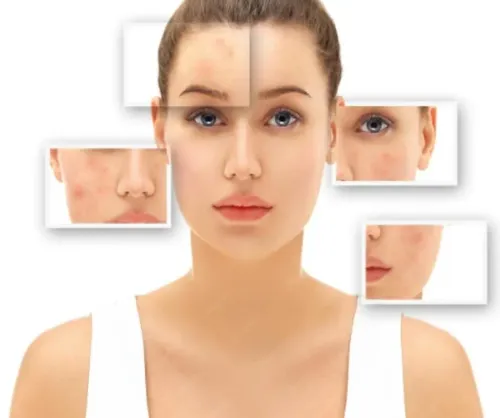
Yellowing of the skin or whites of the eyes, called jaundice, is the clearest skin sign associated with possible liver involvement. Other signs include generalised itching without a primary rash, spider angiomas, easy bruising, yellowish plaques, redness of the palms, dark urine, and pale or clay-coloured stools.
| Sign | What it may suggest | Important limit |
|---|---|---|
| Generalised itching without a rash | Cholestasis, including primary biliary cholangitis or bile-flow obstruction | Itching alone does not diagnose liver disease |
| Jaundice, dark urine, pale stools | Altered bilirubin processing or bile flow | Requires medical assessment, not a visual diagnosis |
| Spider angiomas, bruising, yellow plaques, red palms | Possible chronic liver involvement | Cannot show the cause or stage |
A rash, dry skin, or another visible skin disorder can instead result from eczema, contact dermatitis, fungal infection, psoriasis, acne, scabies, a drug reaction, thyroid disease, kidney disease, or iron deficiency. Appearance cannot identify the cause or stage of liver disease without a history, physical examination, and testing.
Arrange a combined skin-and-liver assessment for jaundice with dark urine, pale stools, abdominal swelling, persistent unexplained itching, or bruising that is new or increasing. Mention any homeopathy or other products you use, but do not let a homeopathy consultation replace medical evaluation.
What history should you take before blaming the liver?
Start with the timeline, not the liver. Record when the symptom began, whether itching is widespread or localised, whether a primary rash appeared first, and whether urine, stool colour, appetite, weight, or abdominal size changed.
1. Disclose alcohol intake, prescription and over-the-counter medicines, paracetamol use, herbal supplements, recreational drugs, and occupational chemical exposure. Medicines and supplements can cause liver injury or a drug eruption. Do not stop a prescribed medicine abruptly; ask the prescribing clinician how to proceed.
2. Mention recent infections, diabetes, obesity, weight change, previous hepatitis, gallbladder disease, and possible hepatitis B or hepatitis C exposure. These details help connect a skin finding with liver risk and determine which examination or tests are sensible.
3. Compare the pattern. A ring-shaped or localised scaly problem points toward a skin infection. Symptoms after a new soap, cream, cosmetic, or chemical suggest contact dermatitis. Generalised itch without a primary rash raises a different question, including cholestatic disease or another systemic cause.
These patterns guide assessment but do not replace examination or laboratory testing. A search for “skin problems with liver disorder homeopathy in Bhiwandi” or homeopathy in Bhiwandi should not become a self-diagnosis. Give the clinician a complete product and exposure history before choosing treatment.
Which tests check whether a skin problem is linked to the liver?
A skin appearance cannot confirm a liver disorder. A clinician may request blood tests to investigate whether itching, jaundice, bruising, or another skin problem is connected to liver or bile-flow disease.
| Test | What it helps assess |
|---|---|
| Alanine aminotransferase and aspartate aminotransferase | Liver-cell injury |
| Alkaline phosphatase and gamma-glutamyl transferase | Bile-flow problems and enzyme patterns |
| Total bilirubin and direct bilirubin | Bilirubin processing and possible jaundice |
| Albumin and prothrombin time or INR | Liver synthetic function |
| Complete blood count | Anaemia, platelet changes, or other clues |
No single result establishes the cause or severity. The clinician interprets the pattern alongside your medicines, alcohol intake, metabolic risk, infection history, examination findings, and symptom timing.
Hepatitis B and hepatitis C testing belongs in the evaluation when your history or examination indicates exposure or infection risk. If imaging is requested, an abdominal ultrasound assesses the liver, gallbladder, and bile ducts.
Bring medicine strips, supplement containers, previous reports, and photographs showing how the skin change developed. If you are searching for homeopathy liver disorder skin problems in Bhiwandi, treat the phrase as a request for information, not a diagnosis. Arrange medical testing before assuming homeopathy explains or treats the cause.
When does a skin-and-liver concern need urgent care?
Urgency depends on how quickly symptoms change and whether liver warning signs are present. Use this three-level pathway:
- Routine consultation: Book an appointment for a persistent but stable skin problem, unexplained widespread itching, recurrent bruising, or a new spider angioma when there is no jaundice, bleeding, confusion, or rapid deterioration.
- Prompt medical assessment: Arrange medical review for yellowing of the eyes or skin, dark urine with pale stools, persistent vomiting, increasing abdominal swelling, a suspected medicine-related reaction, abnormal liver results, or possible hepatitis.
- Emergency care: Go to an emergency department for confusion, vomiting blood, black or tarry stools, severe abdominal swelling, breathing difficulty, rapidly worsening jaundice, or rapid overall deterioration.
Do not manage these warning signs solely through a homeopathy appointment. Suspected hepatitis, cirrhosis, bile-duct obstruction, or drug-induced liver injury requires coordinated care; delayed assessment can let treatable disease progress, while cirrhosis complications can become life-threatening.
Search terms such as “skin disorder liver concerns homeopathy” and “homeopathy doctor for skin problems in Bhiwandi” do not establish a diagnosis or urgency. Seek appropriate medical assessment first, then discuss complementary care if it is safe and does not replace liver testing, prescribed treatment, or emergency care.
How can homeopathy fit safely into care in Bhiwandi?
Use homeopathy only as complementary support, not as treatment for suspected liver disease. There is no good-quality, reliable evidence that homeopathy treats liver disease, hepatitis, cirrhosis, bile-flow obstruction, cholestatic itching, or the underlying cause of a chronic skin disorder. Claims that a preparation detoxifies or repairs the liver are not established treatment.
A homeopathy doctor for skin problems in bhiwandi, including Dr. Waphekar's Homeopathic Clinic, may provide a complementary consultation about symptoms. Homeopathy training does not by itself establish hepatology or dermatology expertise. Verify the practitioner’s registration, and coordinate care with a qualified physician, dermatologist, or hepatologist when liver disease is possible.
The phrase homeopathy liver disorder skin problems in Bhiwandi describes a search, not a diagnosis. Show the clinician managing your liver concern every product you use:
- Homeopathic preparations
- Herbal supplements
- Over-the-counter medicines
- Creams, oils, and other topical products
Products labelled homeopathic can contain active ingredients, alcohol, or contaminants, creating adverse effects or interactions. Do not stop prescribed medicines without medical advice.
Do not replace liver tests, prescribed treatment, hepatitis care, or emergency assessment with homeopathy. A cream or remedy cannot be assumed to treat liver-related pruritus; cholestatic itching requires assessment of its cause and clinician-selected treatment. Seek urgent care for confusion, vomiting blood, black stools, severe abdominal swelling, breathing difficulty, or rapidly worsening jaundice.
Frequently asked questions
Which skin signs can point to liver involvement?
Jaundice is the clearest sign. Generalised itching without a primary rash, spider angiomas, easy bruising, yellowish plaques, red palms, dark urine, and pale or clay-coloured stools can also raise concern.
What history should you take before blaming the liver?
Record when the skin changes began, whether itching started before a rash, recent medicines and supplements, alcohol use, hepatitis exposure, travel, family liver disease, weight changes, abdominal symptoms, and changes in urine or stool colour.
Which tests check whether a skin problem is linked to the liver?
A clinician may order bilirubin, ALT, AST, alkaline phosphatase, gamma-glutamyl transferase, albumin, and prothrombin time or INR. Hepatitis testing and an abdominal ultrasound can help identify the cause.
When does a skin-and-liver concern need urgent care?
Seek urgent care for new jaundice with confusion, severe sleepiness, vomiting blood, black stools, severe abdominal pain, fever, rapidly worsening symptoms, unusual bleeding, or inability to keep fluids down.
How can homeopathy fit safely into care in Bhiwandi?
Discuss homeopathy with a qualified clinician only after appropriate assessment. Do not stop prescribed liver medicine, delay jaundice testing, or replace emergency treatment with homeopathic remedies. Share every remedy and supplement you take with your doctor.